
Medical bills can be a significant financial burden for many individuals, especially for those who have no comprehensive insurance coverage. As a healthcare provider, it is important for you to understand the financial assistance options that are available for patients who struggle with medical expenses.
As a medical billing company, TueCa RCM™, LLC, specializes in billing, coding, and managing the revenue cycle for independent healthcare providers, private practices, and clinics. We, at TueCa RCM™, LLC, aim to help you navigate the difficulties of healthcare billing. It is important to understand who qualifies for the financial assistance with the medical bills that not only support patient satisfaction but also streamline the revenue cycle of your practice by ensuring timely repayment and adherence to compliance.
This blog is all about the criteria for the medical financial assistance and how you (A healthcare provider) can assist your patients in applying for such support.
Table of Contents
What is Financial Assistance for Medical Bills?
Financial assistance programs are designed to help those patients who are not able to afford the full cost of their medical treatment. Such programs are offered by the hospitals, healthcare providers, and government agencies. The type of financial assistance can vary, but it usually comes in the form of reduced rates and payment plans. The financial assistance programs are important for the clinics, private practices, and small to mid-sized medical practices that work with a significant patient base, including those without insurance or with high out-of-pocket costs.
What are the Different Types of Financial Assistance Programs?
Hospital Financial Assistance (Charity Care) Programs
- Many hospitals and large medical centers provide charity care programs for patients who have low incomes or cannot afford the costs of medical treatment. Such programs can offer discounts on the medical bills or, in some cases, can eliminate the entire bill based on the patient’s financial need.
- Eligibility for financial assistance may be determined by income level, family size, and whether the income of the patient falls below a percentage of the Federal Poverty Level.
State and Federal Assistance Programs
- Some state or federal assistance programs are designed to help individuals qualify. A few examples of such programs include Medicare and Medicaid for individuals or families with low incomes.
- State-funded program responses may vary on a number of different factors, so it is best to check with local resources for comprehensive information on coverage and eligibility.
Payment Plans
- Providers may offer payment plans that can allow patients to pay their medical bills over a set period of time. While payment plans differ and may not eliminate the care or treatment costs, they can help patients make their medical Bills more manageable.
- Payment plans, if offered, may be flexible based on the income and ability of the patient to pay.
Nonprofit Organizations
- There may be various nonprofit organizations that can help pay for medical bills, especially for individuals with chronic or serious medical conditions.
- These organizations may only cover specific conditions, and may only offer financial assistance to help the patient with out-of-pocket medical expenses.
Who Qualifies for Financial Assistance with Medical Bills?
1. Low-Income Individuals and Families
- One of the essential factor that determine eligibility for financial assistance is the income of the patient. Many assistance programs use the Federal Poverty Levels as a standard.
- Documentation is required, including proof of income, such as recent pay stubs, tax returns, and others. This is required to determine if you are eligible for financial assistance with the medical bills.
2. Uninsured or Underinsured Patients
- Patients who have no insurance may face the greatest financial burden when they are receiving medical care. Many hospitals and clinics offer financial assistance programs that can help offset the cost of these patients.
- Patients who have high-deductible insurance plans may struggle to cover out-of-pocket expenses. Some programs can offer financial assistance to individuals who cannot have health insurance but cannot meet the high costs of the treatment.
3. Children and Pregnant Women
- CHIP and Medicaid for children provide low-cost health insurance to the patients who are children and pregnant women.
- Those women who are uninsured can qualify the financial assistance through Medicaid, in which prenatal care, labor, and delivery are covered.
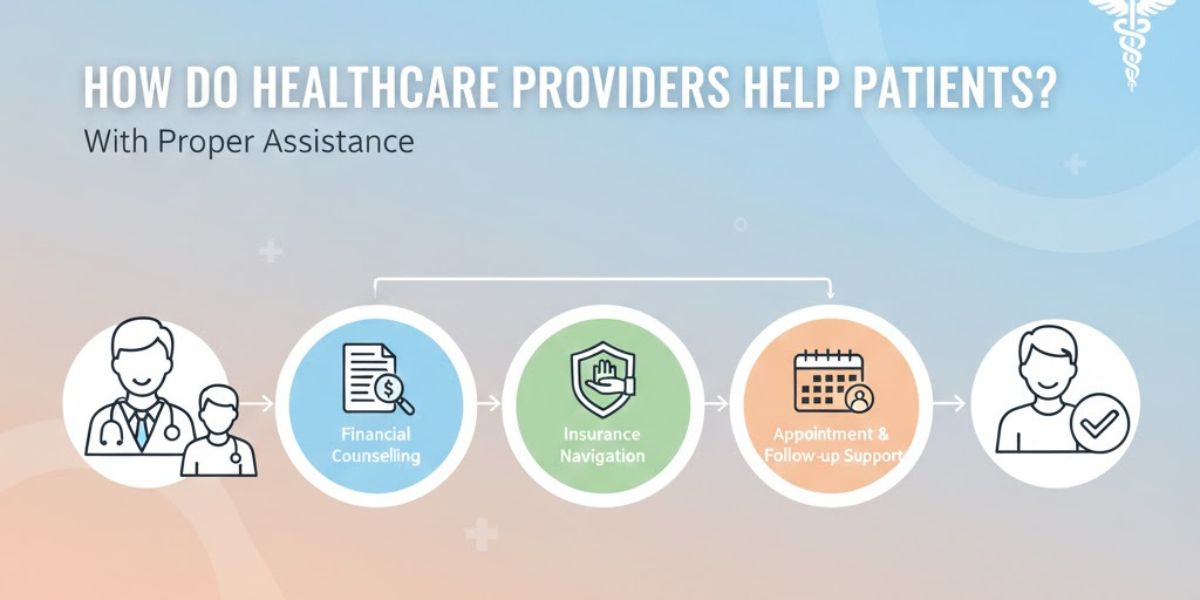
How do Healthcare Providers help Patients with Proper Assistance?
If you are running a private practice or a clinic, it is important to offer guidance to the patients through the financial assistance process. Some ways through which you can help patients with the proper assistance may include:
- You need to stay knowledgeable about the local and national programs. Ensure that your team is knowledgeable about the available options for the patients who might qualify for financial assistance.
- Educate patients about the available resources or materials on your website that can explain the financial assistance programs which are available to patients.
- As a healthcare provider, you can help patients complete applications for financial assistance. Staff in your office can play an important role in assisting patients in gathering the essential documentation.
- For those patients who are not qualified for financial assistance, you can offer payment plans, as they can provide relief. You need to make sure to discuss options with the patients upfront to reduce the burden of the large medical bills.
- You can help the patients whose application for financial assistance was denied by reapplying or appealing the decision, in case they believe they can qualify for the eligibility.
TueCa RCM™: Your Trusted Partner
At TueCa RCM™, LLC, our team understands how complex it is to manage medical billing and ensure timely payments while addressing what financial hardships patients are facing. We understand the complexity of the situation and provide comprehensive billing solutions that are tailored to the needs of independent healthcare providers, private practices, and clinics. We help the healthcare providers navigate the difficulties of the financial assistance programs. Our team of experts can guide your practice through the process of determining which patients are qualified for financial aid and help them connect with the right resources. We can assist you in submitting the appropriate claims for the payment plans or reduced billing rates that can ensure that your patients will get the care without any financial stress. By outsourcing your billing to TueCa RCM™, LLC, you can focus on patient care, while we optimize the revenue cycle and improve the overall financial efficiency for your practice.

It is important to understand who can qualify for financial assistance with medical bills and how to offer guidance to your patients to manage a healthcare practice in the U.S. As a healthcare provider, private practice, or clinic, it is important to know who qualifies for financial assistance with medical bills, as it can offer improved patient satisfaction and reduce the financial burden on your patients.
Frequently Asked Questions
Question 1. What VA-sponsored financial assistance for healthcare is available for veterans and their dependents?
Answer. Those who are veterans and active-duty military personnel may qualify for VA-sponsored financial assistance for healthcare-related expenses. Veterans’ affairs benefits may include coverage for medical treatments, surgeries, medications, and more. In some cases, the dependents of the veterans may be eligible for financial assistance or healthcare coverage.
Question 2. Why is it important to provide the information to the patients on financial assistance?
Answer. Providing the information about these programs is essential to ensure that the patients receive the comprehensive and necessary care without being stressed by financial worries.
Question 3. Do non-profit organizations offer financial aid for severe medical conditions?
Answer. Chronic or severe medical conditions may require higher costs for treatment. Some non-profit organizations and hospitals can offer financial aid, particularly for patients who are dealing with chronic or severe illness.
Question 4. What is the eligibility for non-profit organization assistance programs?
Answer. Non-profit organization assistance programs may need documentation of the diagnosis and treatment plan as an eligibility requirement from a healthcare provider.