
In today’s healthcare environment, the costs for medical care can be astronomical, which is a primary concern for patients. If you are experiencing an urgent healthcare issue or a procedure that is out of pocket, it can escalate your medical charges, and then people start to question how they will be able to pay such an outrageous amount. It can also cause some people to feel anxious about whether they would go to jail if they could not pay medical bills. This blog post is all about whether you can go to jail for not paying medical bills, and we will explain the legal aspects of not paying for your bills.
The answer to the question, Can you go to jail for not paying medical bills? No, you cannot go to jail for not paying your medical bills. There are state protections that say you cannot go to jail for just not paying your debts.
That does not mean you can not be liable for some serious financial and legal consequences that can stem as a result of owing the medical bills.
Table of Contents
What Happens When You Don’t Pay?
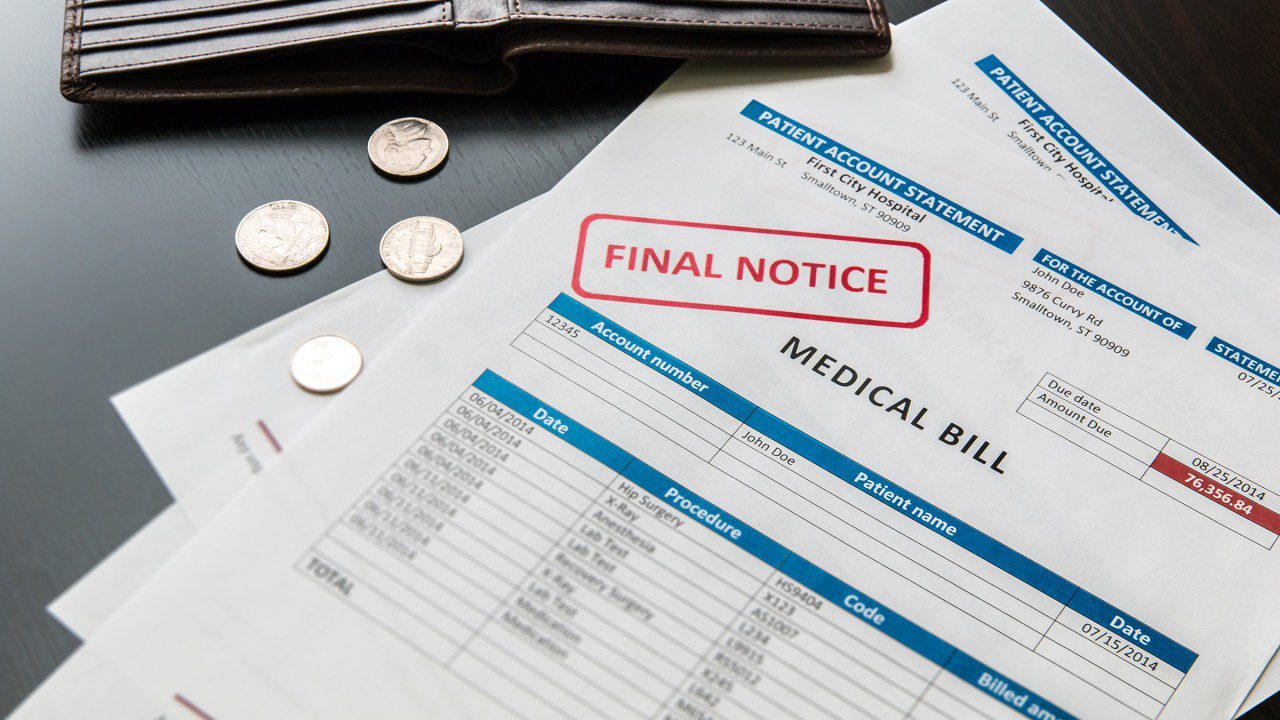
When you do not pay your medical bills, the healthcare provider or their billing agencies can turn your debts over to collections. Once the medical bills go to collections, you may face persistent phone calls, letters, and other forms of contact from debt collectors. If the debt remains unpaid for a long time, the collector may take legal action against you.
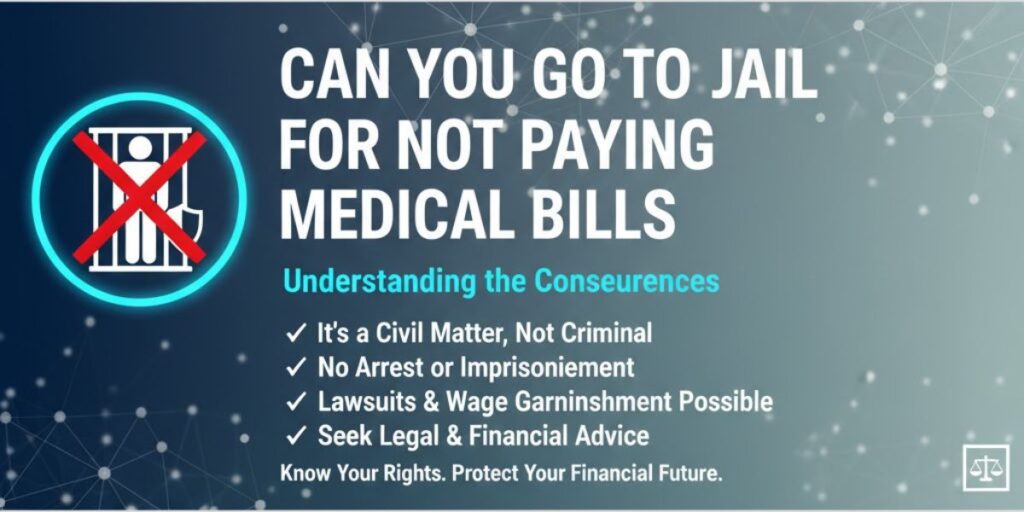
If your debt is significant enough, a creditor will be able to file a lawsuit to recover the amount owed. The court may issue a judgement against you that allows the creditor to take legal action. A creditor may take actions, including wage garnishment, liens on your property, or freezing your bank account. However, you will not face jail time, but such consequences can impact your financial condition severely and negatively.
Can Bankruptcy a Solution?
If you are not able to pay or manage your medical debt, you can consider bankruptcy as a potential solution. Filing for bankruptcy can be beneficial to discharge medical debt and other unsecured debts. It has long-term effects on your credit score and financial standing. Bankruptcy is a legal step, and before considering bankruptcy, it is important to consult a bankruptcy attorney to understand the ramifications.
If you have explored all the available options and they have not worked well, you can consider bankruptcy, as it doesn’t lead to jail time. It is essential to understand that the process of filing a bankruptcy can be complex, and it won’t erase all the debts.
Do you have any Rights?
If you’re having trouble with your medical bills, you have rights. The Fair Debt Collection Practices Act (FDCPA) protects consumers from abusive and unfair debt collection practices. In other words, debt collectors are prohibited from using violent threats, extreme harassment, or any other inappropriate means to try to get you to pay them.
Also, hospitals and other healthcare providers need to tell you about your rights when it comes to payment options and financial assistance programs. Many healthcare providers have financial assistance or payment plans to help patients manage medical debt. Often, you can negotiate lower amounts or extended payment options with your provider (or debt collection agency).
Role of TueCa RCM™ LLC
TueCa RCM™ LLC is a professional medical billing agency that can help if you are overwhelmed with medical debt. TueCa RCM™ employs trained professionals who will help expedite the medical billing process by filing the claims with the insurance company correctly and ensuring patients are not overcharged. If you have trouble paying your medical bills or have received a notice from a collection agency, TueCa RCM™ will help negotiate payment plans and decrease the balance owed.

As a medical billing services provider, TueCa RCM™ will also work with healthcare providers to ensure billing mistakes are fixed and that all billing statements are correct and more easily understandable, so there are no unexpected charges and the risk of medical debt doesn’t accumulate. Patients will feel better navigating the tough waters of medical billing and avoid the stress of being subject to aggressive and unethical collection agencies. TueCa RCM™ will be the in-between for understanding your medical insurance coverage and help advocate for you when negotiating with a provider.
Best Practices Avoid Medical Debt
While it is comforting to know that you won’t be going to jail for overdue medical bills, it is still essential to take action against future debt.
The following methods could help:
- Know Your Insurance: You should always know your insurance before seeking medical treatment. Knowing your medical treatment will help you plan ahead for out-of-pocket expenses.
- Talk to Your Providers: If you know you will have problems paying your bills, you should talk to your provider. Many hospitals and medical offices will have some form of financial aid or payment program.
- Negotiate: Don’t be afraid to negotiate amounts owed to your provider or medical biller. Often, a lower payment can be negotiated, especially if you are going through tough financial times.
- Health Savings Accounts (HSAs): If you have a high-deductible health plan, contributing to an HSA may help in saving money for medical expenses. This can help pay for unexpected medical expenses.
- Consult a Professional: If medical debt overwhelms you, a service, such as TueCa RCM™, can assist in the management and reduction of your debt.
Conclusion
We understand the fear of jail time you have due to unpaid medical bills, but it is not something that should concern you. The legal system in the U.S. prevents you from facing incarceration for being unable to pay your medical debts. However, failing to address medical bills can cause serious financial consequences. It is important to understand what your rights are and what available options are. You can negotiate with your healthcare provider or consult an experienced medical billing agency, like TueCa RCM™, LLC. By taking the mentioned steps, you will be able to manage your medical bills and avoid stress due to aggressive debt collection practices.
Frequently Asked Questions:
Question 1. Can I go to jail if I don’t pay my medical bills?
Answer. The answer to this simple question is no. You cannot go to jail for not paying medical bills. Debt collectors can take legal action against you to recover the debt. The legal action from a debt collector can lead to wage garnishment or other financial consequences.
Question 2. What can happen if I don’t pay medical bills?
Answer. If you don’t pay your medical bills, you may face debt collection, wage garnishment, or a lien on your property. The unpaid debt can affect your credit score negatively.
Question 3. Can a medical billing agency help with unpaid medical bills?
Answer. Yes, a medical billing agency, like TueCa RCM™, LLC, can assist with negotiating payment plans, ensuring correct billing, and reducing the amount owed by addressing errors and misunderstandings with providers and insurers.
Question 4. Can I get financial help for medical bills from healthcare providers?
Answer. Many hospitals and healthcare providers offer financial assistance programs or payment plans. You can reach out to your provider to inquire about the available options.