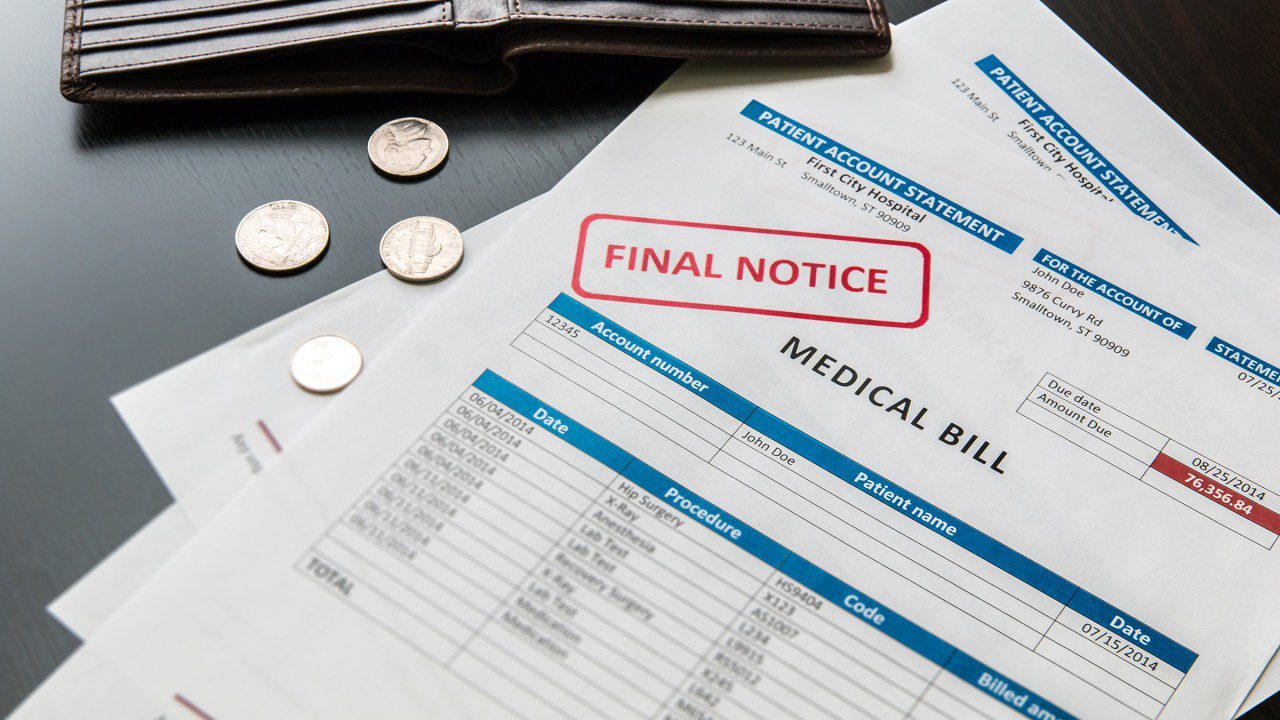

Medical bills have a way of arriving at the worst possible moment—often when you’re already dealing with the physical and emotional toll of an illness or injury. One visit to the emergency room, a short hospital stay, or an unexpected test can trigger a flood of paperwork, confusing charges, and bills from providers you don’t even recognize. Even with health insurance, many people are shocked to discover how quickly out-of-pocket costs add up and how little control they feel they have over the process.
For millions of Americans, unpaid medical bills don’t just cause stress—they turn into medical debt that can follow them for years. A bill missed because of an insurance delay, a coding error, or simple financial hardship can quietly move to collections, bringing collection calls, credit report damage, and fear of long-term financial consequences. What makes medical debt especially frustrating is that it’s rarely the result of overspending or poor financial decisions; it’s often the result of needing care.
The good news is that patients have more rights and options than they realize. Understanding how medical bills work, how collections happen, and what steps you can take at each stage can make a powerful difference. With the right knowledge, medical debt becomes something you can manage—not something that controls you.
Table of Contents
Understanding Medical Bills
Medical bills are rarely simple. A single visit to a hospital or emergency room can generate multiple bills from different providers. For example, you may receive one bill from the hospital facility, another from the physician, and additional bills from labs, radiologists, or anesthesiologists. These bills often arrive weeks or even months apart, making it difficult to understand the full cost of care.
Key billing terms also add to the confusion. The “charge” is the amount a provider lists for a service, but this is rarely what you owe. Insurance companies negotiate an “allowed amount,” which is the maximum they will pay. Your responsibility typically includes deductibles, copayments, and coinsurance. An Explanation of Benefits (EOB) from your insurer is not a bill—it explains what the insurance paid and what portion you may owe, but the actual bill comes from the provider.
Errors are common in medical billing. Mistakes may include duplicate charges, incorrect procedure codes, or billing for services you never received. Because medical billing systems are complex and often automated, these errors can easily go unnoticed unless patients review their bills carefully.
How Medical Bills Become Medical Debt?
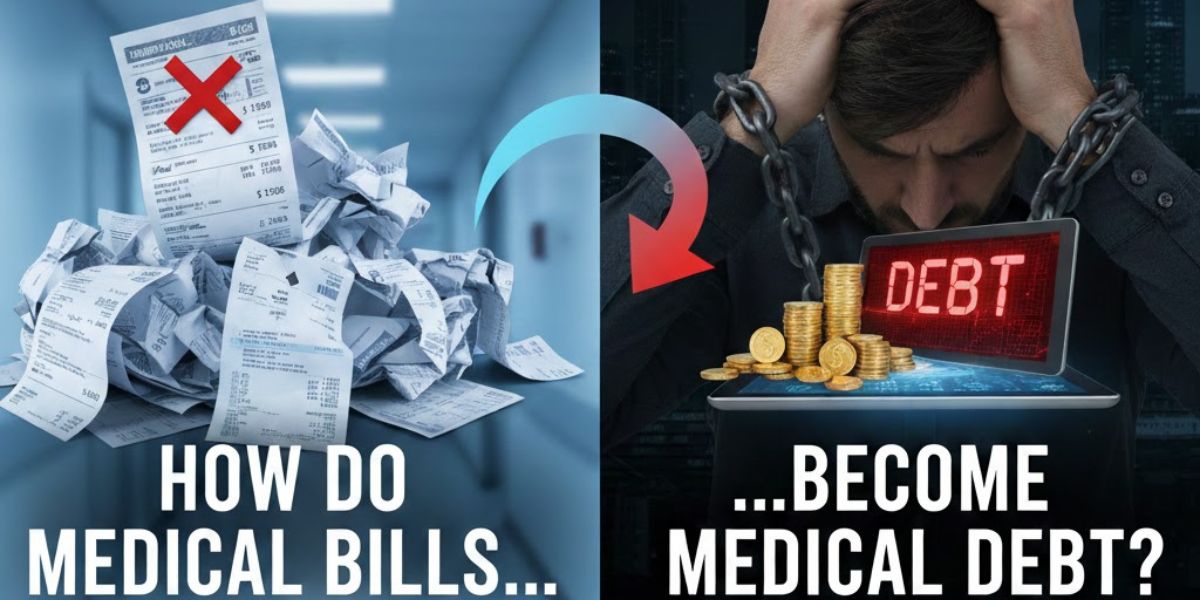
Medical debt occurs when bills are left unpaid or only partially paid after insurance processing. Providers usually allow a grace period and may send multiple billing statements before taking further action. However, if a bill remains unpaid—often after 90 to 180 days—it may be transferred or sold to a collection agency.
Many factors contribute to medical debt. Insurance claims may be denied, out-of-network providers may issue surprise bills, or patients may face financial hardship due to job loss or illness. Unlike credit card debt or personal loans, medical debt is usually unplanned, which makes it harder to budget for or manage.
Early communication with providers is critical. Once a bill moves to collections, it becomes more difficult to negotiate and may begin affecting your credit. Addressing issues as soon as a bill arrives can prevent escalation.
The Medical Collections Process
When a medical bill is sent to collections, the provider either assigns the debt to a collection agency or sells it outright. At that point, the collection agency becomes responsible for pursuing payment. You may begin receiving letters or phone calls requesting payment.
Collection agencies must follow federal laws that regulate how and when they can contact you. They cannot harass you, threaten you, or call at unreasonable hours. They also must provide information about the debt, including the amount owed and the original creditor.
Medical collections can impact your credit, but they are treated differently than other types of debt. Medical bills typically do not appear on your credit report immediately. There is usually a waiting period to give consumers time to resolve insurance issues or disputes. Paid medical collections may also be removed from credit reports, reducing long-term damage.
Your Rights Under Medical Billing and Collection Laws
Consumers have important rights when dealing with medical bills and collections. Federal laws provide several layers of protection.
- The Fair Debt Collection Practices Act (FDCPA) limits what third-party debt collectors can do. It prohibits harassment, false statements, and unfair practices. You have the right to request debt validation, which requires the collector to prove that the debt is legitimate.
- The No Surprises Act protects patients from unexpected out-of-network charges in certain situations, such as emergency care or services provided by out-of-network clinicians at in-network facilities. This law helps prevent balance billing that can lead to large, unexpected debts.
- The Fair Credit Reporting Act (FCRA) governs how medical debt appears on credit reports and gives you the right to dispute inaccurate information. Additionally, many states have their own consumer protection laws, including limits on how long medical debt can be collected (statutes of limitations).
Patients also have the right to request itemized bills, dispute errors, and ask about financial assistance or charity care programs offered by hospitals.
How to Handle Medical Bills Before They Go to Collections?

The best time to address medical bills is before they reach collections. Start by reviewing every bill carefully and comparing it to your insurance EOB. Look for discrepancies such as charges for canceled appointments or services you did not receive.
Request an itemized bill if one is not provided. Itemized statements make it easier to spot errors and may reveal charges that can be reduced or removed. If you find mistakes, contact the provider’s billing department and request corrections in writing.
If you cannot afford the bill, ask about payment plans, discounts, or financial assistance programs. Many hospitals offer charity care or income-based reductions, but patients must apply. Negotiating early often leads to better outcomes than waiting until the account is delinquent.
What to Do If Your Medical Bill Is Already in Collections?
If a medical bill has already gone to collections, do not ignore it. Start by requesting debt validation to confirm that the debt is accurate and belongs to you. Review the information carefully and dispute any errors promptly.
You may be able to negotiate a settlement for less than the full amount owed, especially if the debt has been in collections for some time. Always get settlement agreements in writing before making payments. If possible, negotiate terms that require the collection agency to report the account as paid or remove it from your credit report.
For complex situations or large debts, consider seeking help from a nonprofit credit counselor or a consumer law attorney. Professional guidance can help you avoid costly mistakes and protect your rights.
Tips for Preventing Future Medical Billing Problems
While medical bills cannot always be avoided, preparation can reduce the risk of serious financial impact. Before receiving care, ask whether providers are in-network and request cost estimates when possible. Keep copies of bills, EOBs, and payment records organized and accessible.
Using health savings accounts (HSAs) or flexible spending accounts (FSAs) can help cover out-of-pocket costs with pre-tax dollars. Regularly reviewing your credit reports can also help you catch medical debt issues early before they cause lasting damage.
Conclusion
Medical bills and collections are a common but manageable challenge. By understanding how medical billing works, knowing your rights, and taking action early, you can prevent many problems from escalating into long-term financial hardship. Whether you are reviewing a new bill or dealing with a collection notice, being informed puts you in a stronger position to protect your finances and peace of mind. Medical debt does not define your financial future—with the right knowledge and proactive steps, it can be resolved.
Frequently Asked Questions on Medical Bills and Collections
What happens if I don’t pay a medical bill?
If a medical bill goes unpaid, the provider may send it to collections, either by hiring a collection agency or selling the debt. This can result in collection calls, letters, and potentially a negative impact on your credit report. Acting early—by reviewing, disputing, or negotiating the bill—can prevent escalation.
How long do I have to pay a medical bill before it goes to collections?
Most providers allow 90 to 180 days before sending unpaid bills to collections, though this can vary. Delays often occur due to insurance processing, so it’s important to communicate with your provider if you cannot pay on time.
Can medical debt affect my credit score?
Yes, unpaid medical bills can appear on your credit report once they are in collections. However, there is usually a grace period before reporting, and paid medical collections may have less impact. The 2017 credit reporting changes in the U.S. give consumers extra time to resolve disputes before affecting credit scores.
Are there ways to reduce or dispute medical bills?
Absolutely. You can request an itemized bill, compare it with your insurance Explanation of Benefits (EOB), and dispute errors. Providers often offer payment plans, discounts, or financial assistance programs if you qualify.
What are my legal rights regarding medical debt?
You are protected under federal laws like the Fair Debt Collection Practices Act (FDCPA), the Fair Credit Reporting Act (FCRA), and the No Surprises Act. These laws limit collection harassment, give you the right to dispute inaccuracies, and protect against surprise billing. Many states also have additional protections.
Can I negotiate with a collection agency?
Yes. Collection agencies often accept partial payment or set up payment plans. Always get agreements in writing and confirm that the agency will report the account as paid or remove it from your credit report if negotiated.