
Medical care in the United States is famously expensive. Even people with health insurance can find themselves facing large medical bills due to high deductibles, copays, uncovered services, or unexpected emergencies. As a result, unpaid medical bills are extremely common. Millions of Americans carry some form of medical debt, often not because they were irresponsible, but because they simply could not afford the cost of care. But have you considered what happens if you don’t pay medical bills in the U.S.?
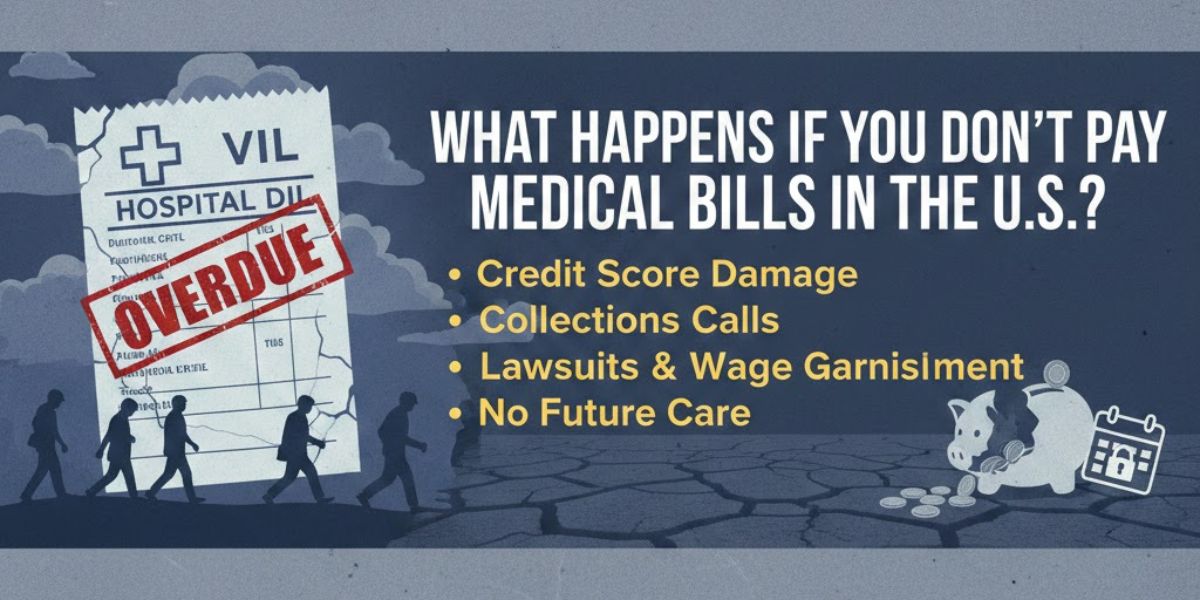
A common fear is that not paying medical bills could land someone in jail. While that is a myth—medical debt is a civil matter, not a criminal one—ignoring medical bills can still lead to serious financial and legal consequences. These can include damage to your credit score, aggressive collection efforts, and in some cases, lawsuits.
Understanding what actually happens when medical bills go unpaid can help you make informed decisions and avoid unnecessary stress. This article explains how medical billing works, what happens when bills aren’t paid, how medical debt affects your credit, whether you can be sued, and what options you have if you can’t afford your medical bills.
Table of Contents
How Medical Billing Works in the U.S.?
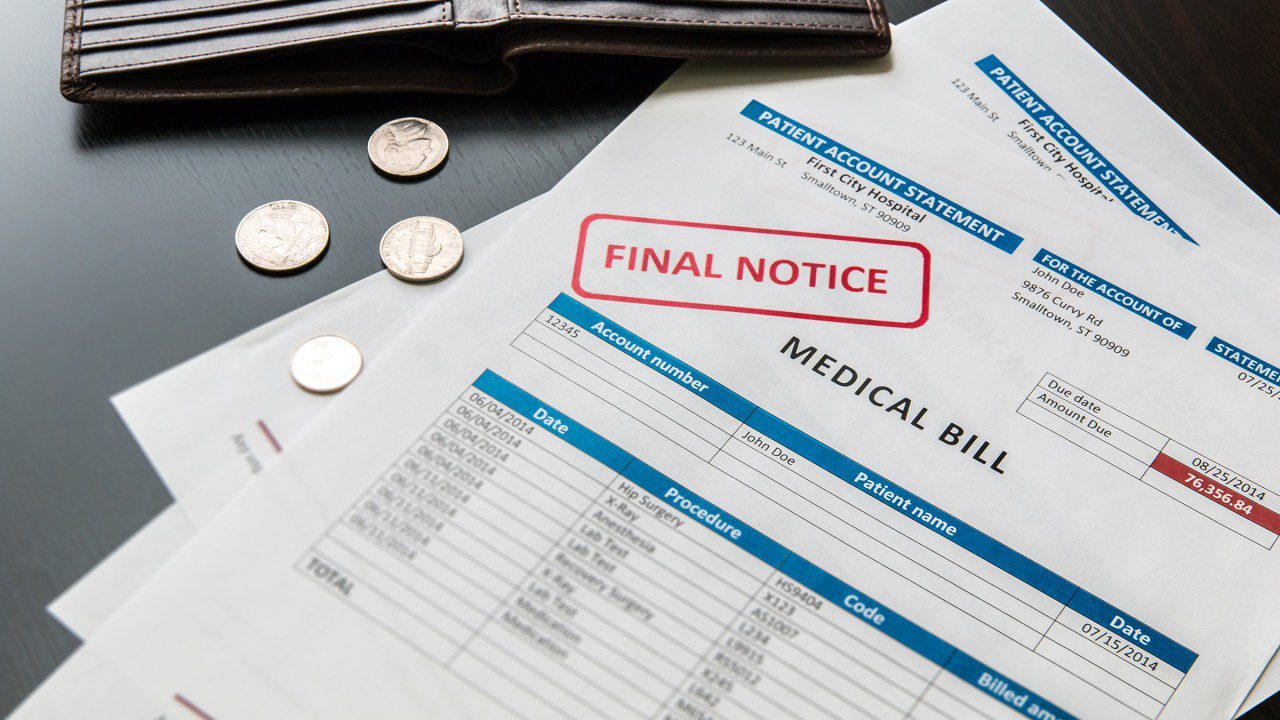
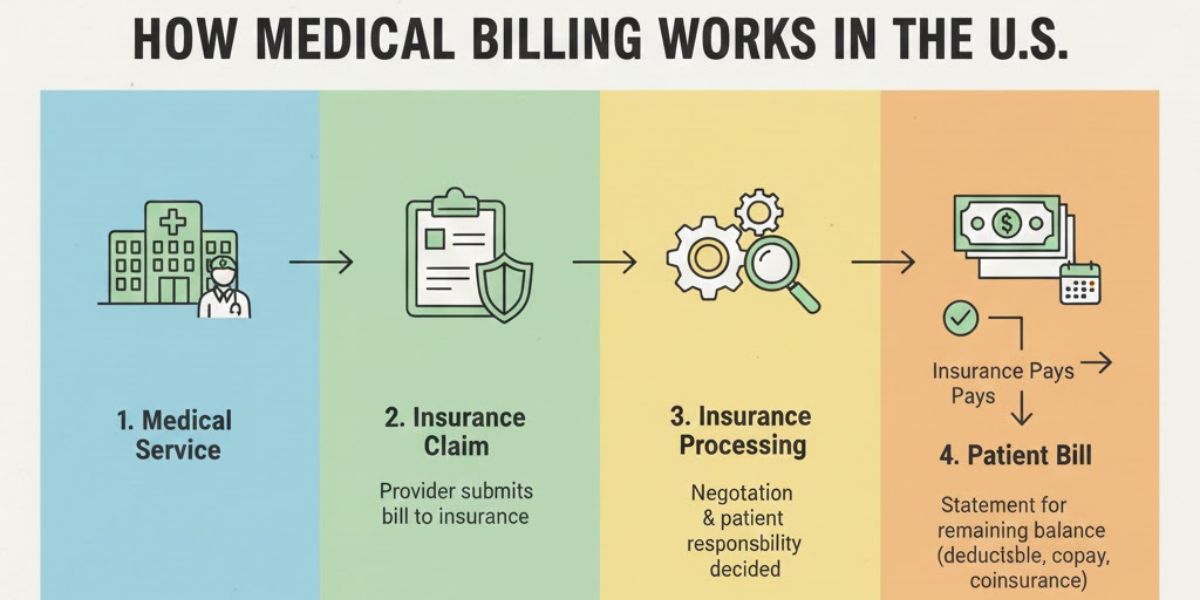
Medical billing in the US is often confusing. After you receive care, the healthcare provider usually bills your insurance company first. The insurer processes the claim and sends you an Explanation of Benefits (EOB), which outlines what was covered and what you owe.
After that, you’ll receive a bill from the provider for any remaining balance, such as deductibles, copayments, or services not covered by insurance. This process can take weeks or even months. It’s also common to receive multiple bills from a single hospital visit—separate bills may come from the hospital, doctors, labs, or specialists.
Most medical bills have payment deadlines ranging from 30 to 90 days. If you don’t pay by the due date, the account becomes past due, and the provider may begin follow-up efforts.
What Happens If You Don’t Pay Right Away?
If you miss a payment, the first step is usually reminder notices. Hospitals and medical offices often send multiple letters or make phone calls requesting payment. At this stage, the bill is still with the original provider.
Some providers may add late fees or interest, though this depends on the provider and state laws. Your account may be labeled as “delinquent,” but it has not yet gone to collections.
This early period is often the best time to take action. Many providers are willing to work with patients by offering payment plans, temporary payment pauses, or even discounts if you explain your financial situation. Ignoring the bill entirely makes future consequences more likely.
Medical Bills and Debt Collection
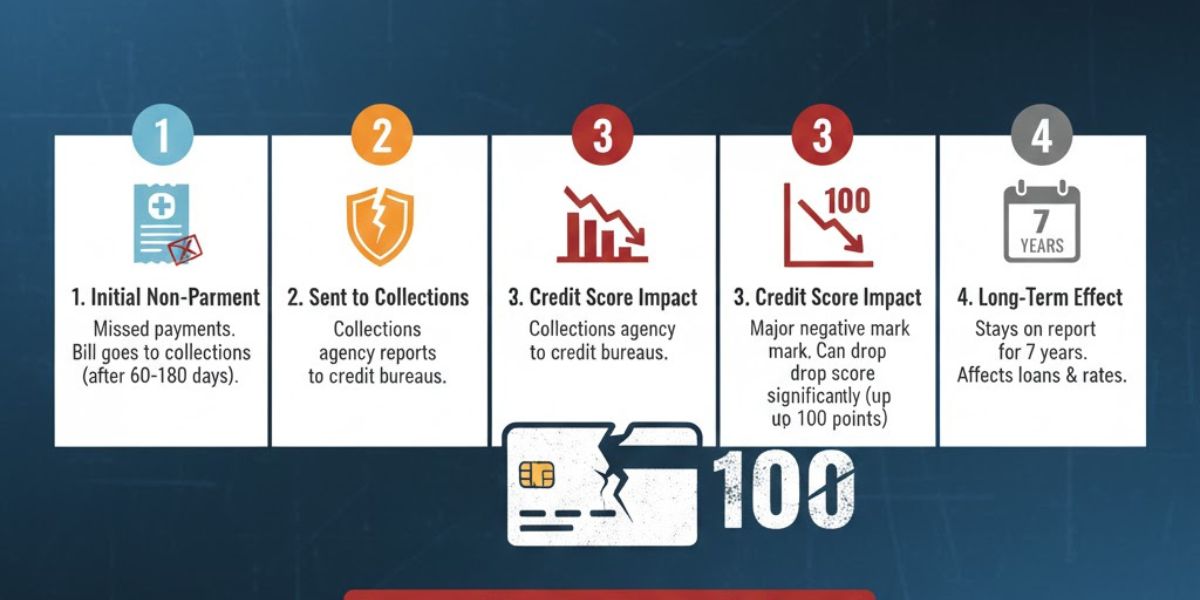
If a medical bill remains unpaid for several months, the provider may send it to a third-party debt collection agency. This typically happens after 90 to 180 days, though timelines vary.
Once in collections, the tone often changes. Collection agencies may call or send letters requesting payment. However, they must follow the Fair Debt Collection Practices Act (FDCPA), which limits how and when they can contact you. For example, they cannot harass you, threaten you, or call at unreasonable hours.
You also have the right to request written verification of the debt. If there are errors in the amount or if the debt is not yours, you can dispute it.
While collections can be stressful, it’s important to know that collectors still have legal limits. Understanding your rights can prevent intimidation and abuse.
How Unpaid Medical Bills Affect Your Credit Score?
Medical debt can impact your credit score, but it works differently than other types of debt. Credit reporting agencies typically wait before adding medical debt to your credit report, giving consumers time to resolve insurance issues or billing disputes.
Once a medical bill appears as a collection account, it can lower your credit score. This can make it harder to qualify for loans, credit cards, or housing, and may result in higher interest rates.
Recent changes in credit reporting have reduced the impact of medical debt. Paid medical collections are often removed from credit reports, and small balances may not be reported at all. Still, large unpaid medical debts can significantly harm your credit profile if left unresolved.
Can You Be Sued for Unpaid Medical Bills?
Yes, in some cases, healthcare providers or collection agencies may sue to recover unpaid medical debt. Lawsuits are more likely when the balance is large and other collection attempts have failed.
If a lawsuit is filed and the creditor wins, the court may issue a judgment. This can lead to consequences such as wage garnishment or bank account levies, depending on state law. Some income sources, like certain benefits, may be protected.
Each state has a statute of limitations that limits how long a creditor has to sue for medical debt. This timeframe typically ranges from three to six years, but it varies by state.
It’s critical to respond to any court papers. Ignoring a lawsuit can result in a default judgment, making the situation much worse.
What Medical Providers and Collectors Cannot Do?
Despite common fears, there are important limits on what can happen if you don’t pay medical bills. You cannot be arrested or jailed for unpaid medical debt. Medical providers and collectors also cannot issue arrest warrants or threaten criminal charges.
They are not allowed to harass you, lie about the debt, or contact your employer or family members to pressure you. They also cannot seize property without a court judgment.
These protections exist to prevent abuse and ensure that debt collection remains a civil, not criminal, process.
What to Do If You Can’t Afford Your Medical Bills?
If you’re struggling to pay medical bills, you are not alone, and you do have options. Start by asking for an itemized bill. Medical billing errors are common, and reviewing the charges may reveal mistakes or duplicate fees.
| You can also try negotiating the bill. | Many hospitals offer discounts for uninsured patients or those experiencing financial hardship. Even insured patients may qualify for reduced rates. |
| Ask about payment plans. | Many providers offer zero-interest plans that allow you to pay over time. Some hospitals also have charity care or financial assistance programs that can significantly reduce or eliminate your balance. |
Nonprofit credit counselors and medical billing advocates can also help you understand your options and negotiate on your behalf.
Conclusion
Not paying medical bills in the U.S. can lead to serious financial consequences, but it’s important to separate myth from reality. You won’t go to jail, but unpaid bills can result in collections, credit damage, and even lawsuits if ignored for too long.
The good news is that medical debt is often negotiable, and patients have strong legal protections. The earlier you communicate with healthcare providers and address the issue, the more options you’ll have.
Medical debt can feel overwhelming, but with the right information and proactive steps, it is usually manageable. Understanding your rights and acting early can make a significant difference in protecting your financial future. Contact TueCa RCM for professional advice and help.
Frequently Asked Questions
Can you go to jail for not paying medical bills in the U.S.?
No. You cannot be arrested or jailed for unpaid medical bills. Medical debt is a civil matter, not a criminal offense. While unpaid bills can lead to collections or lawsuits, jail time is not a legal consequence.
How long do medical bills have to be unpaid before going to collections?
Most medical providers send unpaid bills to collections after 90 to 180 days, though this varies by provider. During this period, you may still be able to set up a payment plan or apply for financial assistance.
Do unpaid medical bills hurt your credit score?
Yes, unpaid medical bills can hurt your credit score once they are reported as collections. However, medical debt is treated differently than other debt, and recent changes have reduced the impact of paid or small medical collections.
Will medical debt show up on my credit report immediately?
No. Credit bureaus usually allow a waiting period before medical debt appears on your credit report. This gives time for insurance payments, disputes, or billing corrections to be resolved.
Can a hospital or doctor sue me for unpaid medical bills?
Yes, medical providers or collection agencies can sue for unpaid bills, especially for larger balances. If they win, the court may allow wage garnishment or bank account levies, depending on state law.