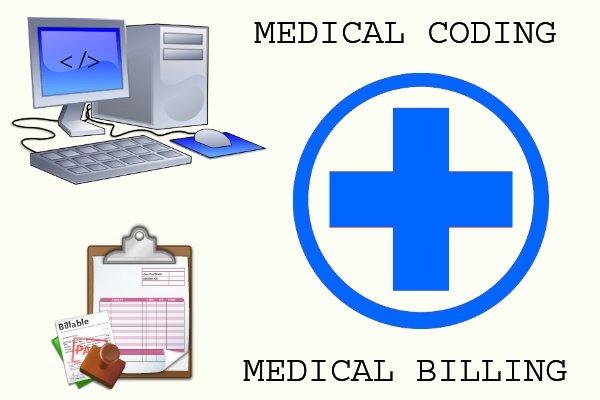

The two terms “Medical billing” and “Medical coding” are often used interchangeably. These two terms are actually different, yet interconnected, cogs in the healthcare machine. A medical coder takes the complete notes from a patient’s visit and translates them into a universal language of alphanumeric codes. They are the first runner who passes the baton to the medical biller, who then uses those codes to create and submit claims, ensuring the healthcare provider gets paid. Without medical billing and coding, the entire financial process would get stuck.
If you are an independent provider, office manager, or running a private practice, it is important to understand the difference between medical billing vs coding. Here, you will get to know the key differences between medical billing and coding and understand why roles of these both terms are so important.

Table of Contents
First Step in Healthcare Reimbursement Process: Medical Coding
Medical coding is the primary step in the healthcare compensation process. Medical coding services involves translating healthcare services, procedures, and equipment into standardized alphanumeric codes. These alphanumeric codes are important for insurance claims and for documenting patient records.
The common types of medical codes are ICD-10, CPT, and HCPCS.
Let’s understand the type of medical codes with an example. Let’s say a patient visits a clinic for a routine physical. The coders will convert the doctor’s notes into:
- ICD-10 Code: Z00.00 (general adult medical exam)
- CPT Code: 99385 (initial preventive exam)
- If the coding is not accurate, the billing department won’t know what to charge, and the insurance companies won’t know what to pay.
Medical Billing: Next Step After Medical Coding
Medical billing is the process by which claims to the insurance companies are submitted to receive payment for the services rendered by the healthcare provider. What are the key responsibilities of medical billing? Here is the answer to this question. Some key responsibilities of medical billing may include:
- Reviewing coded information
- Preparing and submitting insurance claims
- Communicating with payers to resolve claim issues
- Sending statements to patients
- Tracking payments and handling denials or rejections
- Coders aim on the clinical side, whereas billers focus on the financial side of healthcare.

What are the Key Differences Between Medical Billing and Coding?
Key differences between medical billing and coding in the form of a table:
| Sr. No. | Aspect | Medical Coding | Medical Billing |
| 1. | Function | Translates medical records into standardized codes | Submits claims and ensures payment collection |
| 2. | Primary Goal | Accuracy in documentation and classification | Ensuring timely and accurate reimbursement |
| 3. | Tools Used | ICD-10, CPT, HCPCS codebooks/software | Billing software, claim submission tools (e.g., clearinghouses) |
| 4. | Skills Required | Attention to detail, anatomy, and medical terminology | Insurance knowledge, communication, and billing systems |
| 5. | Interaction With | Providers, medical records | Insurance companies, patients, and coding teams |
Why is understanding the difference important?
- By understanding the difference between both the terms, medical billing and coding, it becomes easy to prevent the costly errors that can delay the payments or result in audits.
- It can help improve the revenue cycle as you have identified the weak points in the process.
- You can decide whether to hire in-house or outsource the tasks.
- You can ensure the compliance with HIPAA and payer-specific guidelines.
- Understanding the difference between these two can help build a better workflow between the clinical and administrative staff.
How Medical Billing and Coding Work Together
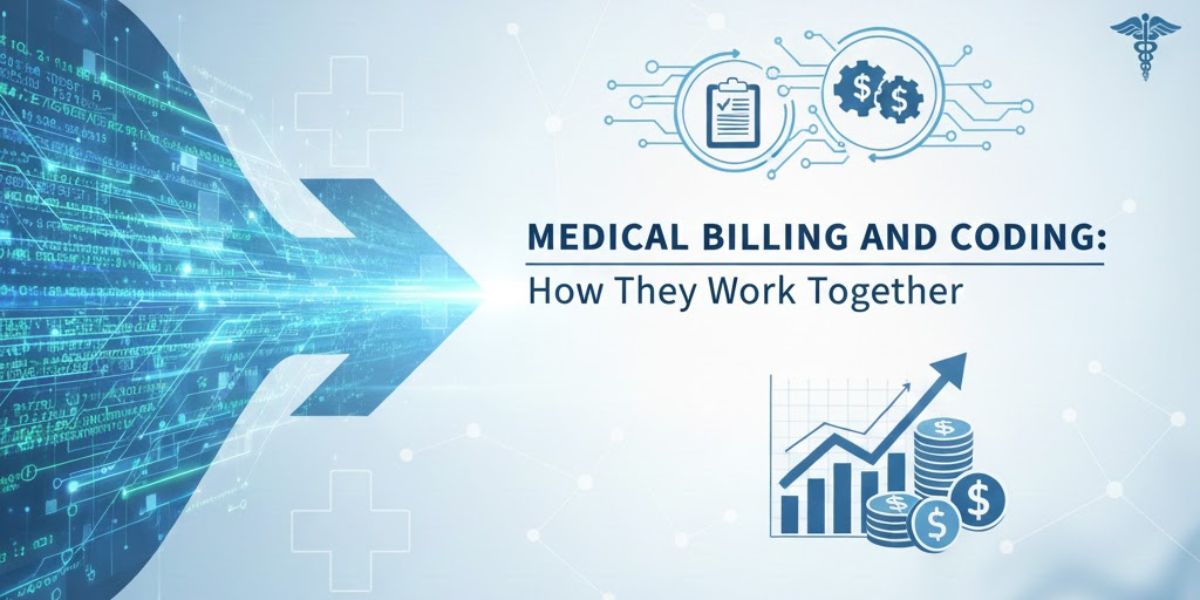
While medical billing and coding are different processes, but are still inseparable when it comes to revenue cycle management. These processes together can help significantly for RCM, and the simplified workflow of medical billing and coding is given below:
- Patient Visit → Provider documents services
- The Medical Coder assigns correct codes
- A Medical Biller uses those codes to generate claims
- The claim is submitted to the insurance
- Insurance reviews → Approves, denies, or requests more info
- Payment is posted or reworked if denied
- Patient is billed (if applicable)
If there is any breakdown at any point, the payment can be delayed or, in some cases, denied. So, the practices are increasingly dependent on the expert third-party solutions like TueCa RCM™, LLC, to streamline this process.
Why Outsourcing Billing & Coding Makes Sense?
Solo and small practices usually experience difficulty in focusing on the priority of patient care while fulfilling administrative responsibilities. This is why outsourcing makes so much sense:
Reduced Errors
Experienced coders and billers know to avoid getting a claim denied or rejected. At TueCa RCM™, we have stringent quality control procedures.
Faster Reimbursements
We process claims right the first time which means faster submission and payment.
Regulatory Compliance
We are on top of ever-changing rules from Medicare, Medicaid, and commercial payers
Selecting the best Billing & Coding Partner
What to look for in a Medical billing company. Some of the things you should keep an eye out for when choosing your billing and coding partner:
- Your specialty (i.e., family medicine, dermatology, urgent care) experience
- Certified coders (CPC, CCS, etc.)
- Transparent reporting
- HIPAA-compliant systems
- Responsive customer service
- Support for your EHR or practice management system
At TueCa RCM™, LLC, we do all of the above. We are experts at delivering cost-effective solutions for U.S. based healthcare professionals, independent medical practitioners, respondent offices, and office managers alike.

Final Thoughts
Medical billing and coding work may be considered behind-the-scenes, but they play a very important role in your practice’s financial health and long-term success. Knowing the distinction between the two and how they come together can enable providers and office managers to make better business decisions.
Whether you’re just starting a new practice, challenged with claim denials, or in need of process efficiency, TueCa RCM™, LLC is here to support and assist. We deliver expertise, compliance, and clarity to your revenue cycle… so you get paid faster.
Contact us at https://carelinkbillingservices.com/ to know more about the Medical Billing services we offer. You can email us at info@carelinkbillingservices.com and call or text us at 307-222-1189.
Frequently Asked Questions for Medical Coding and Billing:
Question 1. Are the two terms, medical billing and coding, the same?
Answer. No, medical coding and billing are not the same terms. Medical coding involves assigning the standardized codes to medical procedures and diagnoses. On the other hand, medical billing aims to submit claims and ensure refund.
Question 2. Can one person handle both billing and coding?
Answer. If talking about small practices, then the answer is yes. But as the patient volume grows, you need to have dedicated experts or outsourcing for improved accuracy and efficiency.
Question 3. What if the codes are entered incorrectly?
Answer. If the codes are entered incorrectly, it can lead to claim rejections, denials, or even audits. Accuracy plays an important role in coding and billing.
Question 4. How does TueCa RCM™ ensure the codes are entered correctly?
Answer. At TueCa RCM™ Billing services, we have certified coders and conduct regular audits that can ensure that the codes are entered correctly. Expert coders can ensure the compliance with the coding standards and payer rules.
Question 5. What are the Common Types of Medical Codes?
Answer. The common types of medical codes are ICD-10, CPT, and HCPCS. Here is the use of the common Types of Medical Codes:
- ICD-10 (International Classification of Diseases): Used for diagnoses
- CPT (Current Procedural Terminology): Used for medical procedures and services
- HCPCS (Healthcare Common Procedure Coding System): Used for Medicare and Medicaid claims, covering supplies and non-physician services.