Every healthcare company requires someone to do medical billing and medical coding for insurance and patient invoices. Doctors or office managers can perform this task, but due to their busy schedule, they generally hire one or more staff members for this job. It is often easier to hire a trained specialist for the crucial administrative work of medical billing and coding to make sure the healthcare providers are reimbursed for their services.
Does the idea of working as a medical biller or coder sound attractive to you? Before you choose between the two, let’s get to know what a medical biller and coder actually do.
Table of Contents
What is Medical Coding?
The term “coding” is familiar in the context of technology and refers to computer programming. However, medical coding is a different field with different goals and undertakings. It is a process of converting medical treatments and processes into a computing language that only insurance companies understand. This computing language is made up of codes that consist of different services and diagnoses. These codes are required for billing, processing insurance claims, and keeping track of patients’ medical history.
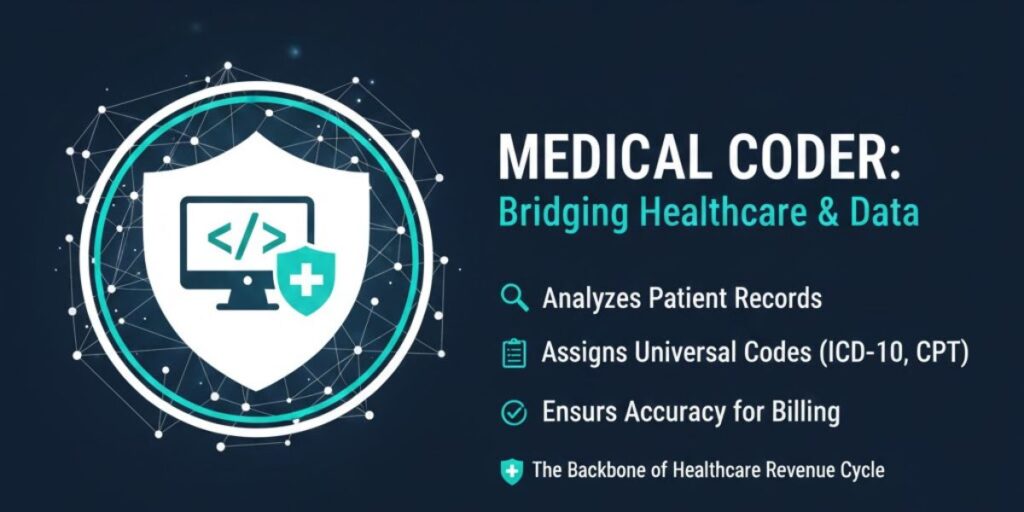
What Does A Medical Coder Actually Do?
Medical Coding is the process of translating a provider’s diagnostic and procedural notes to correct forms of codes for record-tracking and billing purposes. The codes are industry-specific alphanumeric combinations used to determine services being provided and billed. This needs the knowledge of different types of code used –
- Current Procedural Terminology (CPT) – these codes determine particular procedures and examinations performed.
- International Classification of Diseases (ICD-10) – these types of codes are used for medical diagnoses.
- Healthcare Common Procedure Coding System (HCPCS) – this system involves codes that are not present in the above two sets, such as codes for specific medical devices or supplies and non-physician services.
Each of these codes is used in insurance billing, and the coder must carefully follow all the protocols of the billing software.
What is Medical Billing?
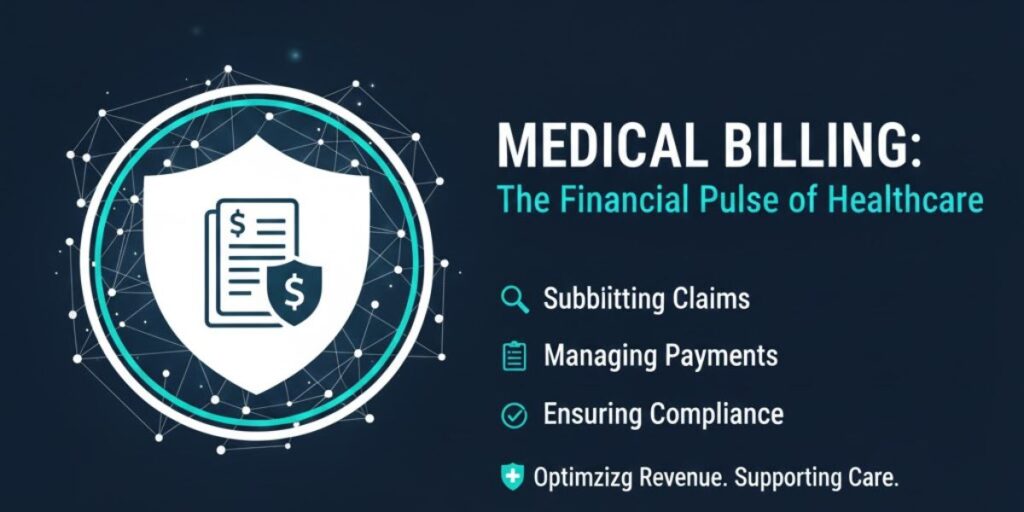
Medical Billing includes submitting claims to insurance companies or patients for reimbursement. As a medical biller in a doctor’s office or a healthcare firm, your role includes submitting claims, following up on unpaid claims, and disputing incorrect claim denials. Healthcare professionals or doctors rely on medical billers to make sure they receive the compensation for their services.
What Does a Medical Biller Actually Do?
After the completion of codes, medical billing experts like TueCa RCM generate invoices and send the claims to the patients’ insurance provider. According to these codes, insurance companies will approve or deny the payment requests. Any amount, if remaining, not covered by the insurance company, will be sent to the patient for payment.
The billing process generally begins as soon as the patient makes an appointment with the medical office, as codes are submitted to an insurer for pre-approval. This helps to calculate the patient’s out-of-pocket expenses, so the office can charge the patient that amount at the time of the visit.
A medical biller needs to understand the industry coding, even if someone else does the coding. It is important for the medical biller as he needs to check the reason behind any denied insurance claims and might need to update the code before resubmitting the claims. A medical biller also verifies the codes before submitting the initial claim.
After the insurance claim has been settled, it is also the responsibility of a medical billing expert to invoice the remaining balance to the patient. A medical billing specialist also determines co-pay requirements, tracks the payments, and follows up on outstanding payments from insurance companies and patients.
In case of an unpaid bill, the specialist will need to contact the insurance companies and ensure all the paperwork is in order. If a payment does not submit an outstanding bill over a particular time period, the medical specialist handovers the debt to a collection agent.
Can One Person Fulfil Both Roles?
In most cases, different employees complete the billing and coding tasks. However, in some cases, a person can work as a biller and coder.
Small firms, such as a physician’s office, may hire one person for both the billing and coding tasks. Whereas Larger companies, such as hospitals and healthcare systems, hire different candidates for each position. The division of labor makes sense from the organization’s financial point of view, as billers are paid less than coders.
Hire the Best Medical Billing and Coding Company – Carelink Billing Services, LLC

Trying to find a medical biller and coder for your healthcare facility? No worries, TueCa RCM is here to provide your company with excellent medical billing and coding services. Our company has over 24 years of experience and has earned a reputation for exceptional services and reliability.
Our team of expert medical billing specialists provide accurate and timely insurance claims. We provide personalized solutions and pay attention to detail to minimize claim denials and ensure prompt reimbursement from payers.
Our certified medical coders have a vast knowledge of the latest coding guidelines and requirements. We reduce code errors and support healthcare providers in optimizing revenue and minimizing audit risks.
Frequently Asked Questions
Why is Medical billing and coding certification necessary?
Medical billing and coding standards have become extremely complicated and require vast knowledge and skills. A certification attests to the higher level of proficiency, thus increasing your earning potential.
Where can I work as a Medical billing and coding specialist?
You can work as a Medical Billing and Coding specialist in a physician’s office, clinics, labs, medical billing services, insurance companies, and more.
Is medical billing and coding a stressful job?
Medical coders are required to code the current procedural terminology in a day. If one is not used to a productive job, this can cause a lot of stress.
What is the hardest part of medical coding and billing?
Balancing speed, consistency, and accuracy is a very crucial part of medical coding. One wrong code can have serious consequences, including incorrect billing, denied insurance claims, and even malpractice lawsuits.