
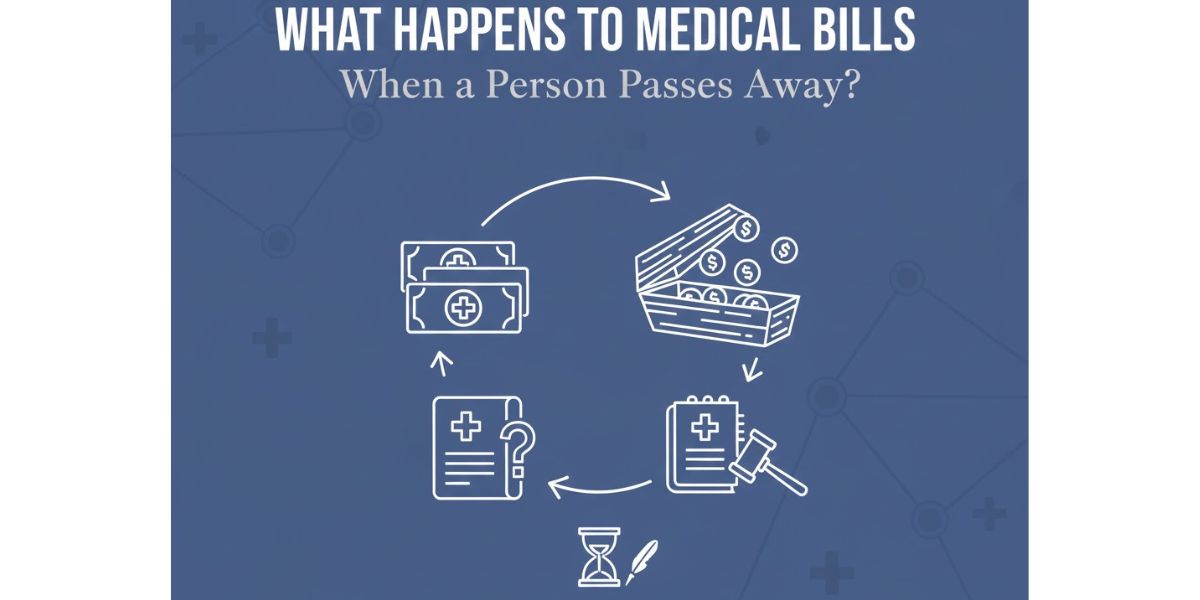
After the death of the patient, often after a long illness or suddenly, families have to face grief and lots of questions, especially about the unpaid medical bills. The financial burden in such a sensitive time can be overwhelming. For healthcare administrators, clinics, and private practices, it is important to understand how to handle medical debts after a patient’s death. As a healthcare professional, you must protect revenue while maintaining good relationships with grieving families and legal executors. In this blog, you will learn what happens to medical bills when someone passes away, ensuring you can handle these situations with empathy and professionalism.
Table of Contents
Who is Responsible for the Debt?
After the person dies, their estate pays their outstanding debts. It means the person’s assets, including bank accounts, property, investment accounts, or other valuables, are used to settle the unpaid obligation, including medical bills.
In some states, laws govern how bills and debts must be paid from the estate. Medical bills are usually among the priority unsecured debts, but generally after the funeral expenses, taxes, or secured debts.
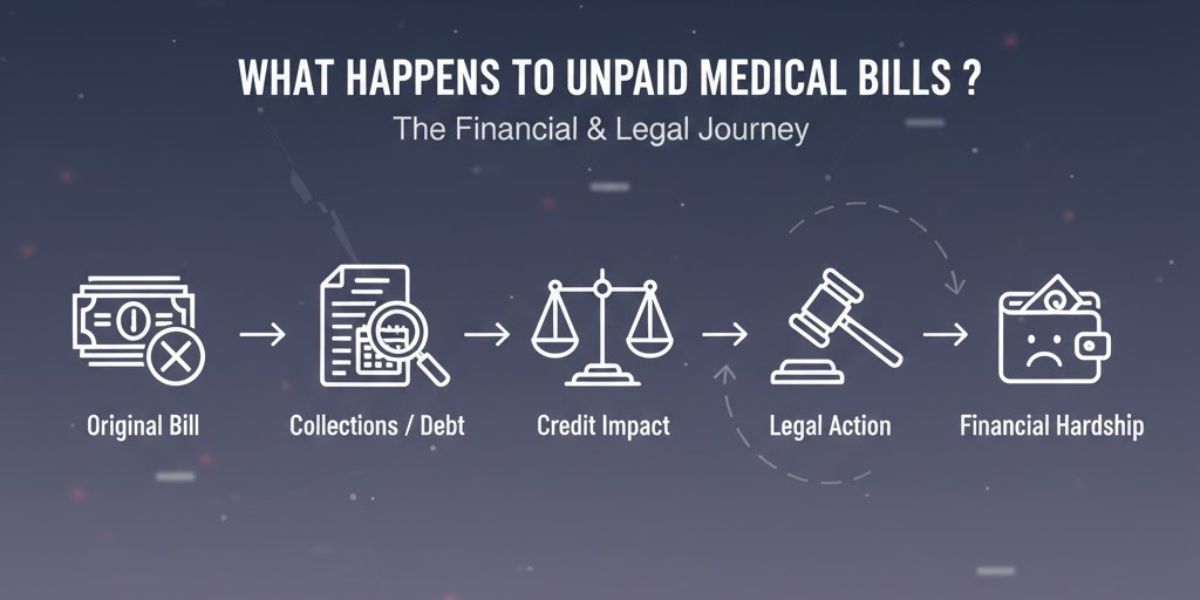
What Happens to Unpaid Medical Bills
- Medical providers file claims within the deadlines required by payers, including insurance companies, Medicare, Medicaid, and private insurers, even after death. Death does not automatically invalidate the coverage for the properly provided services. The service date, patient’s death, and other identifiers should be correct.
- If the patient had insurance, the insurer may continue processing claims for services provided before death. Services provided after the death under certain circumstances may also be billable, depending on the insurance policy. Clear documentation is crucial.
- After the insurance processes claims, any remaining balance becomes due. The remaining balance may include co-pays, deductibles, and non-convered charges. If the estate has insufficient funds to cover all creditors, you need to file a creditor’s claim with the estate.
- Each state has a statute of limitations on when the creditors must file claims against an estate. Missing the deadlines of the claims means your practice might lose the right to collect.
What Your Medical Practice / Billing Office Should Do
- Inform Billing Department About Death: When notified by the family or executor, mark the patient record as deceased. It can help avoid sending normal billing notices, and billing staff can switch to the protocol for the deceased patients.
- Review All Outstanding Claims: Check if all the claims are submitted, not submitted, or in process. You must ensure that everything due has been billed properly to insurance, including any need for adjustments or corrections. If something is kept missing or mis-coded claims, it might result in lost revenue.
- Document Everything Properly: We need to maintain documentation, including the death certificate, dates of services, insurance coverage, and any payment agreement. It is essential to ensure that the date of the death is recorded and all diagnoses and procedures are supported.
- Communication with Families and Executors: The executor or family may be uncertain. Communicate with them respectfully. Please provide them with a statement of medical bills, how to submit, and the options available.
- Evaluate Collection vs. Write-Off Decisions: if the estate lacks funds, your practice may need to write off the bills. Evaluate the cost of pursuing versus the likely recovery.
- Ensure Compliance: Staying aware of state laws and federal regulations is important for collection practices, privacy, and dealing with estates.
Revenue Cycle Impact & Best Practices to Mitigate Losses
1. Encourage up-front discussions about the insurance, self-pay, and payment plans. You need to obtain information on the guarantor or responsible party. It can help reduce the chance of large unpaid balances after death.
2. Regularly verify insurance, Medicaid, or Medicare eligibility. Understand the policies for terminal illness or hospice care and how that interacts with the billing after death.
3. Ensure that billing and coding teams are trained to use the correct codes for the services provided up to the death, including possible modifiers when death occurs in the hospitals.
4. Tracking the metrics like accounts receivable above 90/120 days, unpaid balances after the death, and the cost of the collections. It can help you see where losses occur and design policies to reduce them.
5. For the independent practices or clinics, working with a specialized medical billing company, TueCa RCM™, LLC, can reduce mistakes, improve claim follow-ups, and ensure that the debts due after the death are managed properly, which results in maximizing the recovery, minimizing write-offs, and ensuring compliance.
Checklist For Your Billing Department:
| Sr. No. | Step | What to Do |
| 1. | Confirm Death | Get a copy of the death certificate and update the patient record to deceased. |
| 2. | Identify Executor/Administrator | Identify Executor/Administrator
If there’s a will or legal representative, obtain contact. |
| 3. | Inventory Claims | List all services rendered, check which are submitted, which are pending, and which need correction. |
| 4. | Submit Any Outstanding claims | To insurance or other payers, even if death has occurred. Include the death date on the claim where required. |
| 5. | Compute Outstanding Balances | After insurance adjudication, calculate what estate or guarantor owes. Provide a billing statement to the executor. |
| 6. | Communicate Policies | Inform the executor/family of payment terms, deadlines, possible write‑off, or assistance options. |
| 7. | Track Deadlines | State statutes, payer policies, and internal collection timelines. Missed deadlines may mean zero recovery. |
| 8. | Finalize Closure or Write‑Off | If no funds, write off unpaid balances, and ensure collection efforts stop per relevant laws. |
Why is it important for Healthcare Providers?
- Healthcare providers should do this, as proper handling reduces lost revenue due to unsubmitted or miscoded claims or expired collection windows.
- How you treat deceased patients’ families can help you maintain a good reputation.
- Avoid legal risks from violating privacy laws or engaging in improper collection practices.
- Operational efficiency with a clear policy and process can help your staff and billing company work smoothly in difficult situations.
Conclusion
For the medical practices, clinics, and billing teams, properly managing what happens to medical bills when a patient passes away is important and a revenue protection measure. The main focus is clear policies, trained staff, good documentation, and an efficient process for handling claims, billing, and collections. If your practices or billing department needs help refining these workflows or managing the claims after death cases, contact TueCa RCM™, LLC. We specialize in medical billing, and revenue cycle management. We can help you handle difficult situations with sensitivity, accuracy, and efficiency.
Frequently Asked Questions for Medical Bills:
Question 1. Can medical bills be collected from the family members after the patient’s death?
Answer. Only in a few cases were they guarantors on the patient’s account. The estate of the deceased person pays medical debts. Family members are not personally liable unless legally bound.
Question 2. What is the statute of limitations for filing claims against an estate?
Answer. The statute of limitations may vary by state. Most states require creditors to file claims within 3-6 months after opening probate.
Question 3. Does death cancel health insurance coverage immediately?
Answer. Insurance generally covers services provided before the date of death. If claims for those services are submitted accurately, the insurer should pay.
Question 4. Who is responsible for managing the estate of the deceased person?
Answer. If there is a will, then the executor, or if there is no will, the administrator, manages the deceased person’s estate. The executor or administrator’s job is to identify the creditors, notify them of the death, and ensure the claims, including medical bills, are addressed.