
After a car accident, when a patient walks into your practice, the first focus is to diagnose and treat the injuries. After the treatment, the first question is who pays for the medical bills after a car accident. This question is not just for patients, but for your practice’s revenue cycle health. Car accidents can create a unique set of billing and repayment challenges for the patients as well as for the healthcare professionals. Generally, between health insurance, personal injury protection, third-party liability insurance, and potential litigation, healthcare providers cover medical expenses from a car accident. Some healthcare insurance plans can have conditions about accident-related injuries or may only cover some types of treatments.
This blog is all about who is responsible for paying the medical bills after a car accident. How can medical bills affect the providers, and what can the practices do to make their medical billing workflows more effective so that the lost revenue can be avoided?
Table of Contents
Medical Bills After a Car Accident: Who Pays?
Auto Insurance
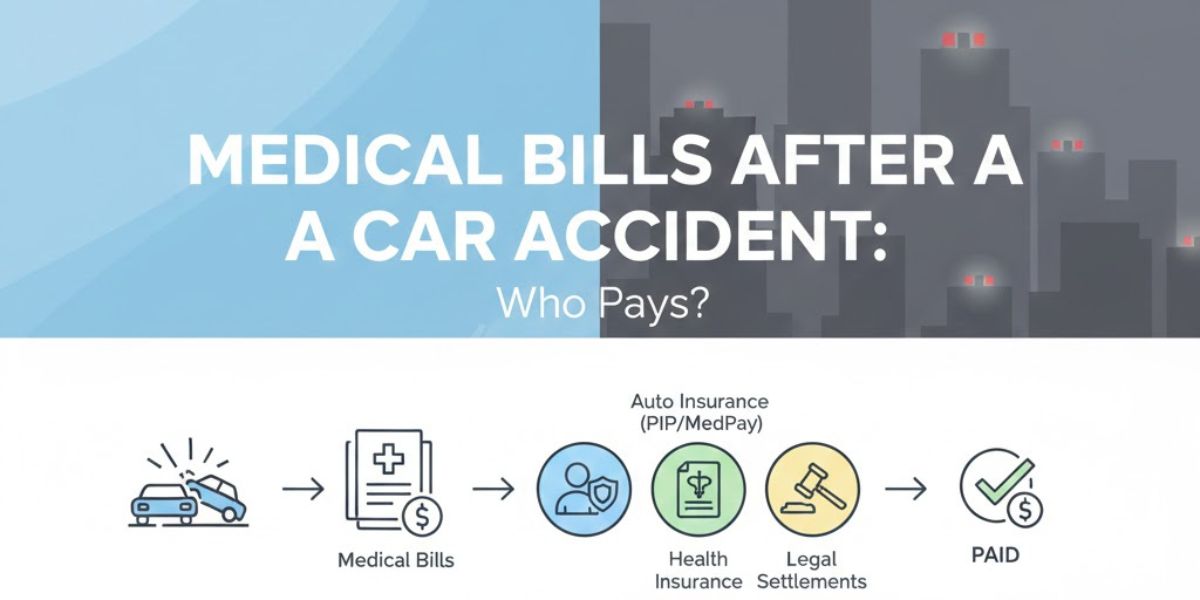
Multiple insurance parties play an important role after a car accident happens. The first is Auto Insurance that includes Personal Injury Protection (PIP) or Medical Payments Coverage (MedPay). In some “no-fault” states, PIP is the primary payer for the accident injuries that cover medical bills, lost wages, and important services, irrespective of who is responsible for the accident. MedPay is similar to PIP, but it does not cover lost wages. It is important to confirm these details at intake, collect the claim numbers, and policy limits upfront. In Short:
- PIP pays for the accident injuries, including medical bills and lost wages (regardless of who is at fault).
- In MedPay, lost wages are not covered.
Third-Party Liability Insurance:
If the accident occurs due to another driver’s fault, your patient can file a claim against their insurance. These insurance carriers may pay settlements directly to the patient, usually a long time after the treatment. The third-party liability insurance can cause significant cash flow problems for the healthcare provider. Treatment of the patients under this claim without any upfront payment or a claim agreement can put your practice at financial risk.
Patient’s Health Insurance
Patient’s health insurance is used as a secondary payer in case the auto insurance coverage, PIP, or MedPay is exhausted. This is important to note that many health insurers will deny the claims if they are related to a vehicle accident unless the auto insurance limits have been exceeded or reached, and the claim is coded accurately. It is recommended to use accurate ICD-10 codes like V43.52XA and document the accident details carefully in the patient’s record to ensure compliance.
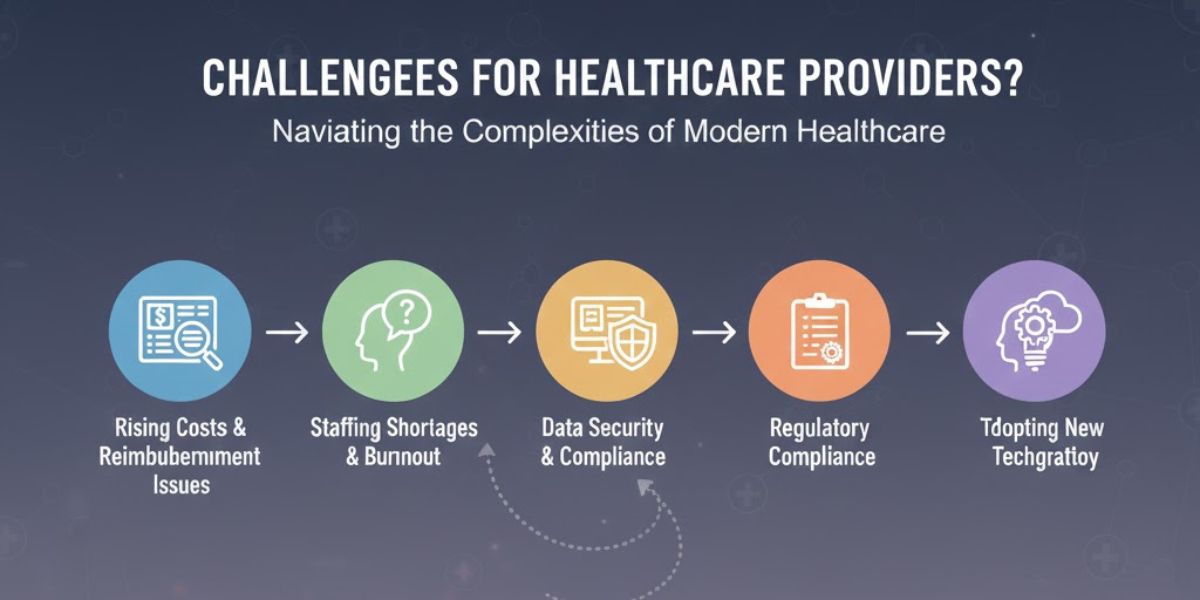
What are the Challenges for Healthcare Providers?
Delayed Reimbursements
Auto accident claims can pose numerous challenges for healthcare practices, particularly due to delayed repayments. Unlike the well-organized system for health insurance, auto insurers have a slow and manual process. Adjusters require documentation that may involve medical records and itemized bills. There is no standard Electronic Data Interchange for fast electronic submission. This practice may result in a prolonged wait for the payment, which can negatively impact your practice’s cash flow.
Denied Claims
Another reason is denied claims, which are a frequent occurrence. If the billed amount exceeds the policy’s limits or if the insurance company considers the treatment not medically necessary, in these cases, the claims can be denied. Denials can also occur in cases, the proper initial authorization was not obtained.
Administrative Burden
Administrative burden can also be a challenge for healthcare providers. Managing auto accident claims is a labor-intensive process. The staff must spend hours chasing down the adjusters and coordinating with the legal professionals to ensure that all the documentation is right and compliant. The administrative load can divert valuable resources and staff time away from the important clinical support tasks.
What are the Best Practices for Billing After a Car Accident?
Here are some best practices for billing after a car accident to protect your revenue and workflows:
- Collect the detailed intake information. Gather auto insurance details, accident date, location, health insurance, and consent forms for releasing records.
- Verify the eligibility for PIP or MedPay. Use verification tools or call the insurer to confirm the benefits and limits.
- Using the ICD-10 codes correctly to indicate the type of the accident and external cause codes. Use the right place-of-service codes when required.
- Partnering with a Medical billing company that is experienced in accident-related claims can reduce errors, speed up repayments, and improve the claim acceptance rates.
TueCa RCM™, LLC- Trusted Partners in Medical Billing
TueCa RCM™, LLC can be a game-changer for clinics or private practices facing challenges in medical billing management for car-accident-related medical treatment. With the experience and expertise in claims submission, denial management, and accounts receivable follow-ups, TueCa RCM™ can ensure that the bills coming from the auto insurance, PIP/MedPay, third-party liability, and health insurance are handled or managed properly.
Our certified coders apply proper accident-specific ICD-10 and CPT codes, and our team verifies the coverages and policy limits up front and works to minimize the claim denials. For healthcare providers, this practice means faster reimbursement, reduced administrative burden, and more predictable cash flow- so that you can focus more on patient care than chasing paperwork. Contact TueCa RCM™, LLC by emailing us at info@carelinkbillingservices.com and calling or texting us at 307-222-1189.

Conclusion: Plan, Bill Smarter
When a car accident occurs, the first question of who pays medical bills is not just a patient concern; it is a challenge for the provider. Whether the payer is health insurance, a third-party claim, or a third-party agency, a structured and proactive approach is required to get the repayment. With the collection of detailed intake data and working with an expert billing team, you can avoid the delayed payments, compliance issues, and lost revenue.
Frequently Asked Questions:
Question 1. Why is it important for a medical practice to secure payment for its services upfront?
Answer. Many practices provide treatment with the assumption of the ultimate payment. Without protective measures such as up-front payment, signed liens, or directed legal agreements, a sizable share of those bills may become bad debt that could adversely affect the practice’s finances.
Question 2. Can a medical billing company handle auto accident claims?
Answer. Yes, an experienced and qualified medical billing company can handle the difficult coordination between insurers, ensure compliance, and follow up on claims to minimize the denials and delays.
Question 3. How Medical Billing Companies Can Help in handling Medical Bills?
Answer. It becomes overwhelming to manage the car accident billing for the clinics and small practices. If you consider an experienced medical billing company for managing the car accident billing, it can help you:
- Ensure clean claims and proper documentation
- Track multiple payers and benefit coordination
- Help avoid compliance violations
- Provide legal lien filing support (if applicable).
Question 4. In what situation does third-party liability claim denial happen?
Answer. In the cases of third-party liability claims, the denial may also occur if the patient has been found to be partially responsible or at fault for the accident, making the repayment process more complicated.