
Can Unpaid Medical Bills Damage Your Credit Score?: Unpaid medical bills are a financial burden most patients encounter, usually through no fault of their own. The financial burden is the result of the denial of claims from insurance, surprise out-of-network charges from something that was thought to be in-network, or just the intense complexity of the healthcare billings. But what happens if the medical bill is never paid? As a trusted partner of clinics and healthcare providers, TueCa RCM™ understands how to help practices manage the risk and protect the financial health, and guarantee patient satisfaction. Here you will learn about “Can Unpaid Medical Bills Affect Your Credit Score?”.
Table of Contents
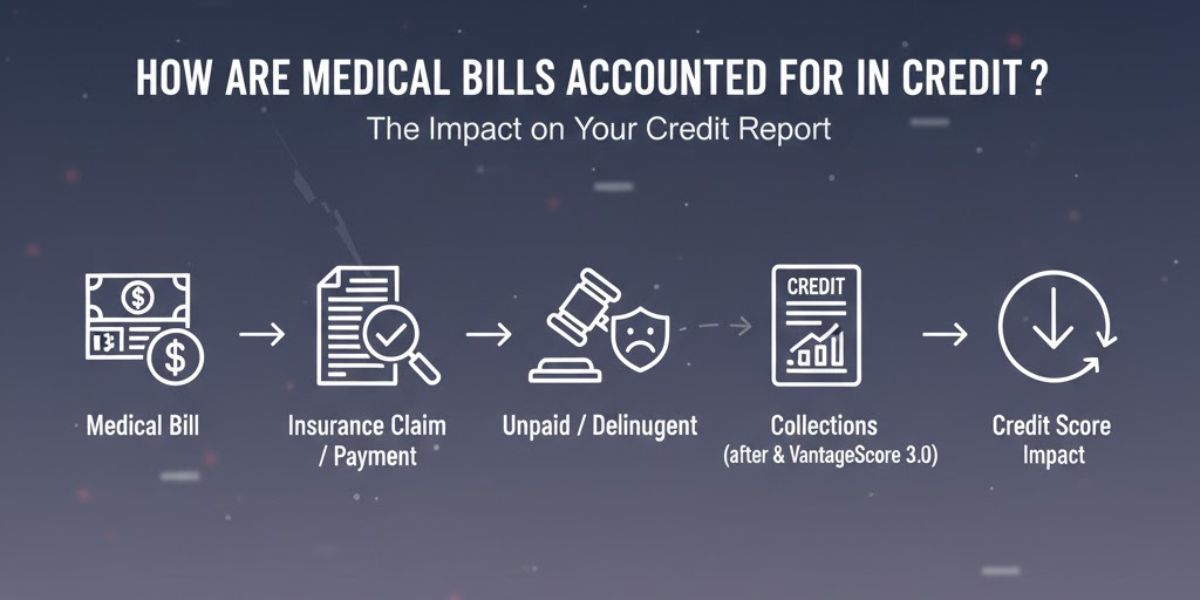
How are Medical Bills Accounted for in Credit?
Contrary to popular belief, unpaid medical bills result in a negative impact on a patient’s credit score, ultimately, but not immediately. Oftentimes, healthcare providers or collectors must wait before they report to the credit bureaus:
- Insurance Grace Period- Medical providers typically wait 90-180 days after a bill due date that has not been paid before submitting to collections.
- Being in collections: After being referred to a collection service, the unpaid bill may appear on the patient’s credit report, which can negatively affect scores for both FICO and Vantage.
Why Medical bills go into Collections?
Many small and mid-sized practices, such as independent practices, may not have the personnel or the tools to start a follow-up process to manage billing proactively. Because of late timing and limited visibility into the amounts owed, bills can sometimes go to collections inadvertently. TueCa RCM™ is a billing partner that can step in and help with the automated reminders for follow-up, take care of coding issues, confirm approvals, and help avoid preventable increases in debt.
The damage to credit scores
Once in collections and on a credit report, medical bills have significant effects on credit scores. Understanding some aspects of credit reported and scored:
- FICO: A medical collection item can lower a FICO® Score by about 40-60 points, especially when your score is in the 700-800 range.
- Vantage: Vantage Scores lend less weight to medical collections than non-medical collections, but still, real damage can occur, especially with multiple items.
- Include the recovery schedule – even paid collections can remain on a consumer’s credit report for 7 years; a few newer scoring (FICO 9; Vantage 4.0) models ignore the paid collections for medical bills.
Hidden Costs for Healthcare Providers
Healthcare providers including smaller ones can inadvertently contribute to patient financial stress in several ways:
Claim denials: Coding issues and/or provider notes that don’t match billing claims can lead to denial. This results in patient financial responsibility for claims that they were not aware of beforehand.
Workloads for billing staff are at maximum capacity: If follow-up is not proactive, then they are left waiting until patient balances go to collection (if not a collections operation immediately).
Patient communication is lacking: In other words, even though patients may owe money, they do not understand how much, or the steps necessary to establish payment plans, leading to surprise bills for either services or products.
All of these scenarios can erode patient trust, decrease collections, weaken credit scores for patients (and inadvertently for you), and possibly tarnish your reputation.
How Outsourced Medical Billing
Partnering with a specialized medical billing services provider, like TueCa RCM™, helps mitigate these risks. The result is mitigated risk for both the provider and the patient.
- Accurate Claims & Coding
- Comprehensive claim audits and real-time coding verification can re.
- Timely Follow-Ups & Insurance Appeals
- Automated tools trigger immediate follow-ups on insurance claims, decreasing reimbursement delays and patient responsible balances.
- Transparent Patient Notifications
- Patients receive clear and compassionate notices (by mail, email, or patient portal) so that they have a chance to account for their balance without any delinquency.
Flexible Payment Plan Options
- Patients have patient-specific installment payments; managing cash flow and minimizing referrals to collections.
- Visibility of Patient Balances
- Clinics have dashboards with aging accounts to identify the riskiest patients to prioritize; this allows them to manage minor issues before they ruin their relationships.
Through these services, clinics significantly reduce their reliance on collections and help patients avoid credit damage.
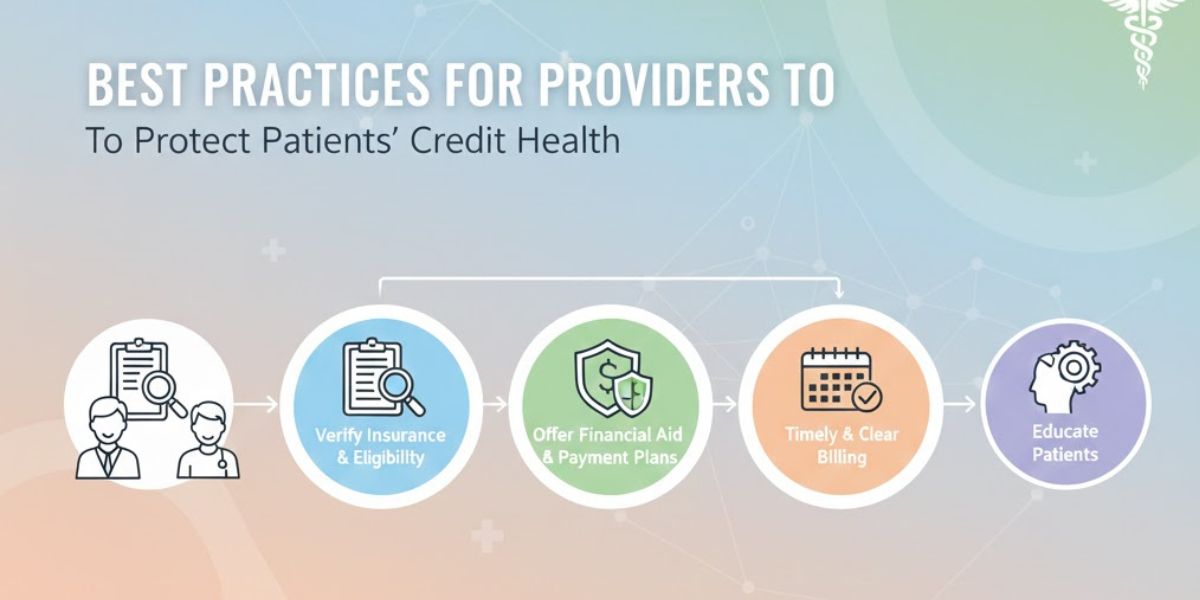
Best Practices for Providers to Protect Patients’ Credit Health
Here are some very applicable actions for independent providers and smaller practices:
- Proactive Eligibility & Benefits Verification. Verify coverage before the patient’s appointment and make a good-faith attempt to estimate out-of-pocket responsibilities.
- Front-Facing Estimates & Consent Agreements. In writing, inform patients of the financial responsibility they may incur.
- Timely Claims Submission. File claims immediately after service. The insurance denial clock starts immediately after services are rendered, shortening the time the claim is in process.
- Clear and Concise Billing Statements. Use direct verbiage. Include dates due, payment plan options or available payment methods, and how to contact the provider on the statements.
- Contact Patients Early Regarding Past Due Accounts. Begin a series of phone or e-mail reminders once the account is 30 days past due.
- Provide Financial Counseling. Financial assistance with medical bills allow patients to ask questions, negotiate, and feel good about addressing their bills.
- Timely Escalation Only When Reasonably Necessary. Only send accounts to collections after making every reasonable effort internally.
With TueCa RCM™, you can automate or effectively manage each of these functions—this means saving staff time, increasing revenues, and protecting patient financial health.
The Patient Relationship Dividend
When you put in a little extra effort, it can pay huge dividends. Practices that value fair billing and patient support will typically:
- Increase patient loyalty, reduce patient drop-out, and increase referrals
- Increase the return on finding resolutions early on and eliminate loss of revenue without incurring unnecessary collection fees
- Help increase your goodwill and position your practice as having a mission, initial empathy, and trust in the relationship while protecting patient credit scores and your own bottom line.
Conclusion
Yes, unpaid medical bills potentially negatively impact the patient’s credit score, but it doesn’t have to happen. Providers can significantly mitigate risk through accurate medical billing claims, tactful communication with patients, and thoughtful billing operations. Partnering with a knowledgeable and compliant medical billing partner for clinics, such as TueCa RCM™, can help ensure that your revenue cycle is managed smoothly, while maintaining an efficient workflow and instilling confidence in your patients that you are protecting their financial and credit health.

FAQs for the Impact of Unpaid Medical on Credit Score:
Question 1. If I am insured, can medical bills really hurt my credit?
Answer. Yes, if insurance doesn’t fully cover costs and the remaining balance goes unpaid and is sent to collections, it can damage your credit. A billing partner can help reduce denials and address the balances early.
Question 2. Do all medical bills appear on my credit report?
Answer. No, not all medical bills appear on your credit report. Only the unpaid bills sent to collections generally show on the credit reports. Many providers and insurers allow 3-6 months before reporting and offer the time to resolve the balance.
Question 3. Will paying a medical collection remove it from my credit report?
Answer. Not always. It may remain listed for up to seven years, but newer credit scores may ignore the paid medical collections that reduce negative impact.
Question 4. How can small clinics help patients avoid damage to their credit scores?
Answer. By verifying the benefits upfront, submitting the claim promptly, sending clear billing statements, offering payment options, and following up before accounts go to collections.